
Introducing Sigvaris Compression Stockings at MHP Spine & Wellness
If your legs often feel heavy, achy, or swollen, or if you have been advised to improve your circulation after an injury or surgery, compression stockings may offer the relief you need. At MHP Spine & Wellness in Etobicoke, we are committed to expanding the tools we offer for recovery and prevention. We are now pleased to carry Sigvaris compression stockings, a trusted name in medical-grade compression wear. This article explains what compression stockings are, how they work, and how our new Sigvaris options can be part of your care plan.
What Are Compression Stockings?
Compression stockings are specially made, snug-fitting, stretchy socks that gently squeeze your leg to promote circulation. Unlike regular socks, they are designed to apply controlled pressure to your legs. The stockings improve blood flow in the veins of your legs by gently squeezing your legs to move blood upward toward your heart. This action helps prevent leg swelling and reduces the risk of blood clots.
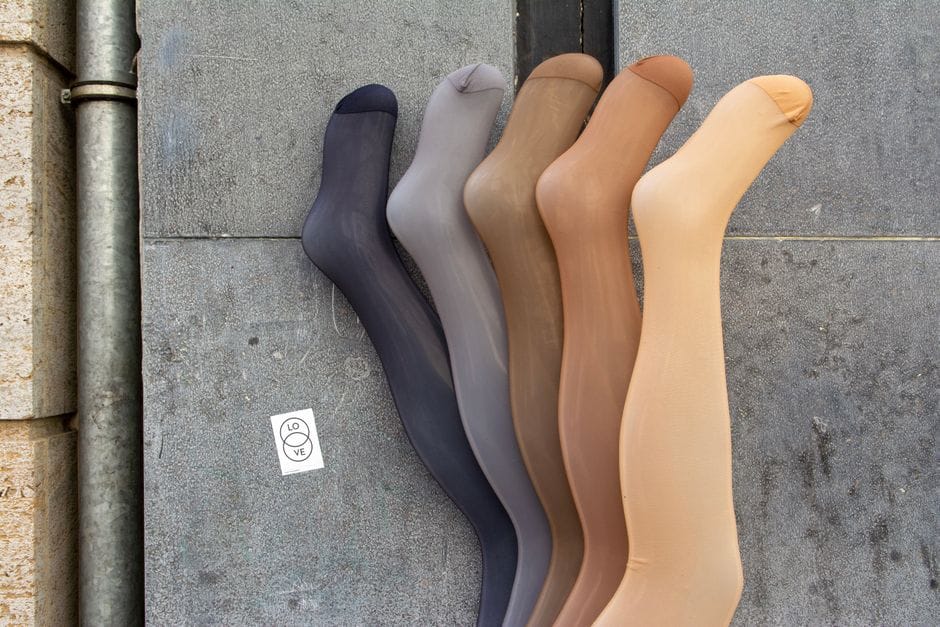
Compression stockings are available in different lengths, pressures, and colors. The most common type is graduated compression stockings, which are tightest around the ankle. The pressure gradually eases as the sock moves up the leg. This design helps push blood out of the lower leg veins and back into circulation. Another type, thrombo-embolic deterrent (TED) hose, is designed mainly for people who are bedridden after surgery. Graduated stockings are more widely used for daily wear and activity.
Benefits of Wearing Compression Stockings
Many people turn to compression stockings to relieve specific leg symptoms or to prevent complications. The benefits supported by medical sources include:
- Reducing pain, aching, and the feeling of heavy legs.
- Decreasing swelling in the feet, ankles, and calves.
- Lowering the chance of deep vein thrombosis (DVT), a type of blood clot that forms in deep veins.
- Preventing blood from pooling in the legs, which is especially helpful for people who sit or stand for long periods.
- Supporting faster recovery after exercise, as athletes often use compression stockings to help muscles bounce back.
- Reducing the diameter of distended veins, which can ease discomfort from varicose or spider veins.
Compression stockings are also commonly recommended after surgery or injury to help prevent blood clots and control swelling. If you have poor circulation, these stockings can be part of an overall management plan.
Understanding Compression Levels
Compression stockings come in different levels of tightness, measured in millimeters of mercury (mmHg). The level you need depends on your condition, activity, and your doctor or therapist’s recommendation. Common ranges include:
| Compression Level | Typical Use |
|---|---|
| Less than 20 mmHg (mild) | Mild swelling, tired legs, travel, or prevention of varicose veins during pregnancy. |
| 20–30 mmHg (medium) | Moderate swelling, varicose veins, post-surgery recovery, and DVT prevention. |
| 30–40 mmHg (firm) | Chronic venous insufficiency, severe varicose veins, lymphedema, or after certain procedures. |
Your healthcare provider will help you determine which level is right for you. At MHP Spine & Wellness, our team can assess your needs during a consultation and guide you to the appropriate Sigvaris option.
How to Put On Compression Stockings
Putting on compression stockings takes a little practice because they are meant to be snug. Follow these general tips for easier application:
- Put them on first thing in the morning before you get out of bed. Your legs are least swollen at that time.
- Make sure your skin is clean and dry. You can apply a moisturizing lotion, but let it dry fully before putting on the stockings.
- Consider using baby powder or cornstarch on your legs to help the stockings slide on.
- Wear rubber dishwashing gloves while pulling up the stockings for better grip.
- Use a stocking donner device if you have trouble bending or gripping.
Knee-high stockings should reach to about two fingers below the bend of your knee. The stockings should feel tight around your legs, with the most pressure around your ankles and less pressure higher up. If you experience numbness, tingling, or pain, remove the stockings and check with your provider.
Care and Replacement
To keep your compression stockings effective and hygienic, wash them daily with mild soap and water. Rinse thoroughly and air dry away from direct heat. Do not put them in the dryer because heat can damage the elastic fibers. Replace your stockings every three to six months, or sooner if they lose their elasticity or become worn.

Sigvaris Compression Stockings Now Available at MHP Spine & Wellness
We are excited to announce that Sigvaris compression stockings are now available at our clinic. Sigvaris is a globally recognized brand known for high-quality medical compression garments. We offer the following Sigvaris options:
- Knee-high stockings starting at $150 per pair.
- Thigh-high stockings starting at $175 per pair.
- Pantyhose style starting at $200 per pair.
These stockings come in a range of compression levels and colors to suit your preferences and medical needs. Our chiropractic and physiotherapy team can help you choose the right size and style. A proper fitting is important to get the full benefit, so we encourage you to visit us in Etobicoke for a personalized assessment.
If you are dealing with leg pain, swelling, or have been advised to wear compression stockings after an injury or surgery, our clinic can support you. We treat a variety of conditions including sports injuries, workplace injuries, and motor vehicle accident injuries. Our multidisciplinary approach means you can receive chiropractic adjustments, physiotherapy, massage therapy, and now compression therapy all in one place.
For your convenience, we offer direct billing to insurance providers. Contact MHP Spine & Wellness today to book an appointment or to ask about our Sigvaris compression stockings.
Frequently Asked Questions
How tight should compression stockings feel?
Compression stockings should feel snug but not painfully tight. You should notice the most pressure around your ankle, with gradually less pressure going up your leg. If they cause numbness, tingling, or sharp pain, remove them and consult your healthcare provider for a different size or compression level.
How long should I wear compression stockings each day?
Most people are advised to wear them during the day and remove them at night. Follow the instructions from your doctor or therapist. The key is to put them on before your legs start to swell, usually first thing in the morning. Wearing them for most of your waking hours is common for managing chronic conditions.
Can I wear compression stockings on a long flight?
Yes, many people wear mild or medium compression stockings during long flights to help prevent leg swelling and reduce the risk of blood clots. The gentle squeeze keeps blood moving in your legs when you are sitting for extended periods. Check with your doctor before using them, especially if you have underlying health concerns.
Are Sigvaris compression stockings covered by insurance?
Coverage varies by provider and plan. Some insurance policies reimburse a portion of the cost for medically prescribed compression stockings. We recommend checking with your insurance company directly. At our clinic, we can provide the necessary documentation to support your claim if your plan requires a prescription.
Can I wash my compression stockings in the washing machine?
It is best to hand wash them with mild soap and lukewarm water to preserve the elastic. If you must use a washing machine, place them in a mesh laundry bag and use a gentle cycle with cold water. Never use fabric softener or bleach, and always air dry away from heat.