
Back Pain Treatment in Etobicoke: Chiropractic and Conservative Care Options
Back pain is one of the most common reasons people seek medical help. In many cases, home treatment and proper body mechanics can effectively address the issue, but when symptoms persist, professional care becomes essential. For residents of Etobicoke, understanding the range of back pain treatment options available, from chiropractic adjustments to physiotherapy and conservative self-care, can help you make informed decisions about your health. This article outlines evidence-based approaches to back pain treatment, including the role of chiropractic care and other non-surgical therapies.
Understanding Your Back Pain Diagnosis
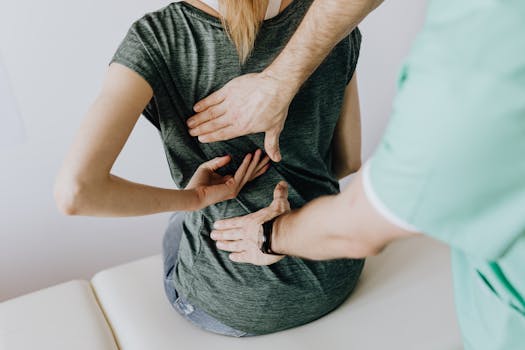
A proper diagnosis is the first step in any back pain treatment plan. During your appointment, a healthcare professional will examine your back and assess your ability to sit, stand, walk, and lift your legs. You may be asked to rate your pain on a scale of zero to ten and describe how your pain affects daily activities. These assessments help pinpoint where the pain originates and how much movement you can manage before pain or muscle spasms become limiting. Such evaluations also help rule out more serious underlying causes. Depending on the findings, your practitioner may recommend one or more tests to confirm the diagnosis.

Conservative Treatment Options for Back Pain
Conservative treatments are typically the first line of defense against back pain. They focus on relieving symptoms, improving function, and preventing recurrence without the need for surgery. Many people find significant relief through a combination of self-care and professional therapies.
Medications and Self-Care
A number of medications can be used to alleviate spinal pain. Non-steroidal anti-inflammatory drugs such as ibuprofen or Aleve are common choices, along with muscle relaxants, topical pain relievers, and even antidepressants for chronic pain. Over-the-counter pain medications often provide short-term relief. At home, applying ice or heat, maintaining a healthy weight, practicing proper posture, and quitting smoking can all support recovery. Some people also benefit from supplements, though these should be discussed with a healthcare provider.
Physical Therapy and Exercise
Physical therapy plays a central role in many back pain treatment plans. Studies show that physical therapy provides modest improvement for chronic low back pain. A skilled therapist can guide you through exercises that stretch and strengthen the muscles supporting your spine. Staying active, rather than resting for long periods, is key to preventing stiffness and muscle weakening. A personalized exercise program can help you regain mobility, improve posture, and reduce the risk of future episodes.
Chiropractic Care and Manual Therapy
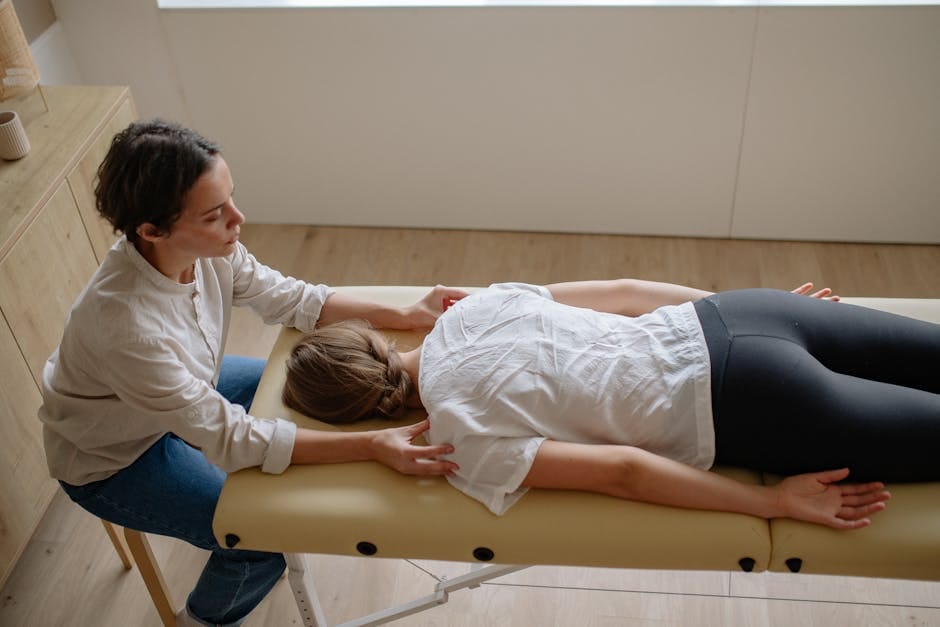
Chiropractic adjustments are a well-established non-surgical treatment for back pain. By applying controlled force to joints that are restricted in movement, chiropractors can help restore alignment and function. This approach is often combined with other manual therapies such as soft tissue work and mobilization. Many patients in Etobicoke choose chiropractic care as a drug-free option that addresses the root cause of their discomfort.
Non-Surgical Treatments That Can Make a Difference
For those with chronic back pain, a variety of non-surgical spine treatments can make a significant difference. These therapies are often used together to target different aspects of pain and dysfunction.
Laser Therapy and Electrical Stimulation
Low-level laser therapy (LLLT) is a noninvasive, single-wavelength light treatment that has gained popularity for low back pain. It may help reduce inflammation and promote tissue healing. Electrical nerve stimulation, such as transcutaneous electrical nerve stimulation (TENS), is another option that can interrupt pain signals and provide temporary relief. Both are available as part of comprehensive chiropractic or physiotherapy programs.
Massage Therapy
Massage therapy can ease muscle tension, improve circulation, and promote relaxation, making it a valuable component of back pain treatment. These therapies, along with acupuncture, offer additional pathways to manage chronic back pain without surgery.
Lifestyle Modifications
Simple daily habits can have a profound impact on back health. Staying active, stretching and strengthening the low back muscles, maintaining a healthy weight, and practicing proper posture are all essential. Using ice or heat, trying over-the-counter medications, quitting smoking, and considering a supplement are also among the recommended approaches. These lifestyle changes not only help relieve current pain but can prevent future problems.
When to Consider a Multidisciplinary Approach
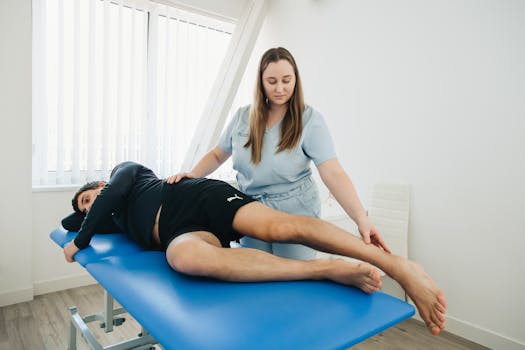
For persistent or complex back pain, a multidisciplinary clinic that offers chiropractic, physiotherapy, massage therapy, and custom orthotics may be the most effective solution. Coordinated care allows practitioners to address your condition from multiple angles, often leading to faster and more lasting results. In Etobicoke, such clinics provide evidence-based, personalized treatment plans that may include spinal adjustments, rehabilitation exercises, manual therapy, and ergonomic advice. This integrated model is particularly helpful for those recovering from workplace injuries, motor vehicle accidents, or sports injuries.
Frequently Asked Questions
What is the best treatment for chronic back pain?
The first step to managing chronic back pain is conservative treatment, such as over-the-counter pain medication, physical therapy, and chiropractic care. Non-surgical therapies like acupuncture, massage, biofeedback, laser therapy, and electrical nerve stimulation can also make a difference. A combination of approaches tailored to your specific condition often yields the best results.
Can chiropractic adjustments help with back pain?
Yes, chiropractic adjustments are a common conservative treatment for back pain. By improving joint mobility and reducing nerve irritation, chiropractic care can help relieve discomfort and restore function. Many patients find it a safe, drug-free option, especially when combined with other therapies like physiotherapy or massage.
How long does it take to recover from back pain?
Recovery time depends on the cause and severity of your back pain. Many acute episodes improve within a few weeks with proper care, while chronic pain may require ongoing management. A personalized treatment plan that includes exercise, manual therapy, and lifestyle adjustments can speed recovery and reduce the risk of recurrence.
Is surgery always needed for back pain?
No. Most back pain improves with non-surgical treatments. Surgery is typically considered only when conservative options have failed and there is a clear structural issue, such as a herniated disc or spinal stenosis. For the vast majority of patients, a combination of medication, physical therapy, chiropractic care, and lifestyle changes provides sufficient relief.
If you are experiencing back pain and live in Etobicoke, consulting a qualified healthcare professional can help you determine the most appropriate treatment plan. With a range of conservative and chiropractic options available, lasting relief is within reach.